01 — Smart Cities
Smart Traffic Systems
How cities use sensors, adaptive signals, and real-time data processing to manage road networks — and what complex event processing means for traffic prediction.
Read about smart traffic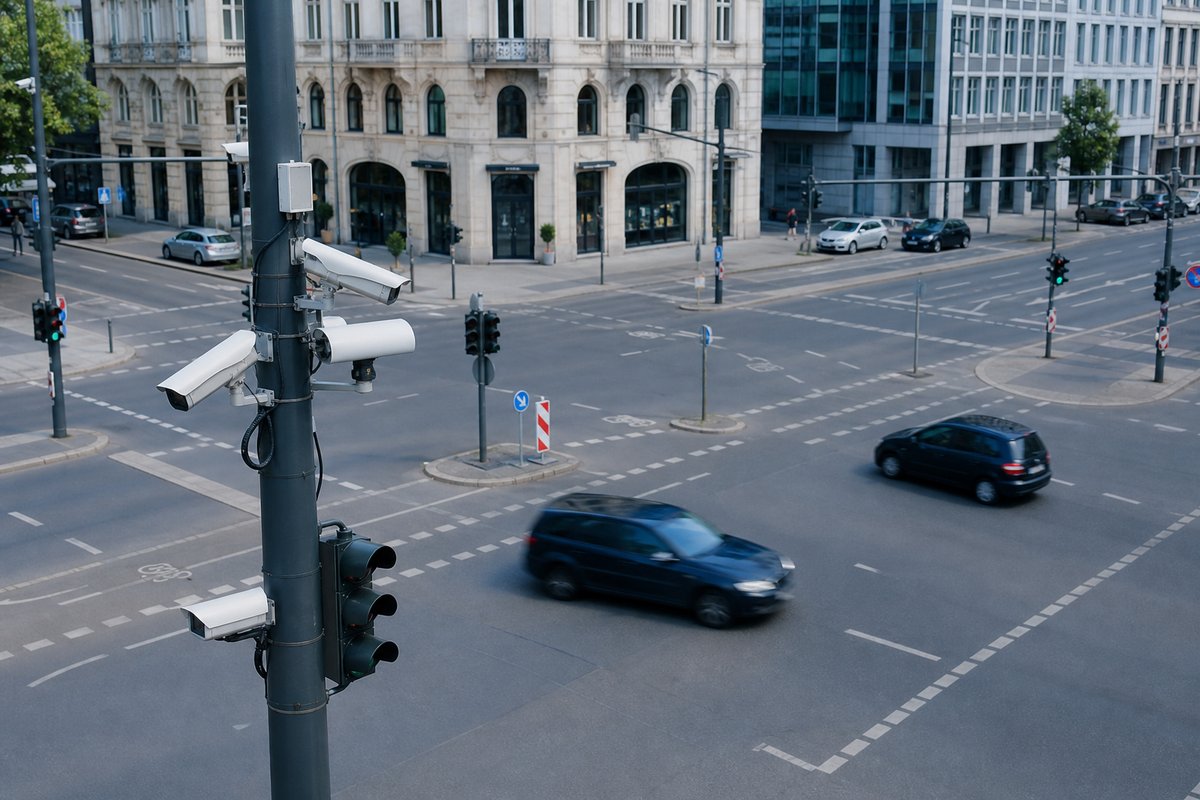
Speedd is an editorial reference for professionals and curious readers who want to understand how speed shapes modern transport networks, digital infrastructure, and city planning across Europe.

The pace at which data, vehicles, and people move through digital and physical systems is increasingly central to economic productivity and quality of life. Across European cities, transport authorities are deploying intelligent systems that process millions of sensor readings per second to optimise traffic flow in real time. Meanwhile, the rollout of fibre-to-the-home and 5G networks is reshaping what connectivity means for households and businesses alike.
Performance benchmarking — the discipline of measuring system speed under controlled conditions — provides the common language that engineers, policymakers, and consumers use to compare options and set expectations. From CPU clock cycles to vehicle 0–100 km/h times, benchmarks translate technical capability into comparable figures.
Urban mobility sits at the intersection of all these threads. Smart cities are rethinking how roads, public transit, cycling lanes, and digital connectivity interact. Electric vehicles are lengthening their ranges and shortening their charge times. Autonomous systems are moving from controlled pilots to limited public deployment. The articles on Speedd trace these developments in depth, drawing on European case studies, technical standards, and publicly available data.
Four areas where speed and performance technology is driving change across Europe.
How cities use sensors, adaptive signals, and real-time data processing to manage road networks — and what complex event processing means for traffic prediction.
Read about smart traffic
Download speeds, upload throughput, latency, and jitter — the metrics that define digital performance, and how Europe's broadband and 5G infrastructure stacks up.
Read about internet speed
From CPU scores and network throughput tests to vehicle acceleration figures — what benchmarks measure, how to read them, and why methodology matters as much as the number.
Read about benchmarks
Electric vehicles, autonomous systems, micro-mobility, and smart public transit — how European cities are redesigning the way people and goods move at every scale.
Read about urban mobility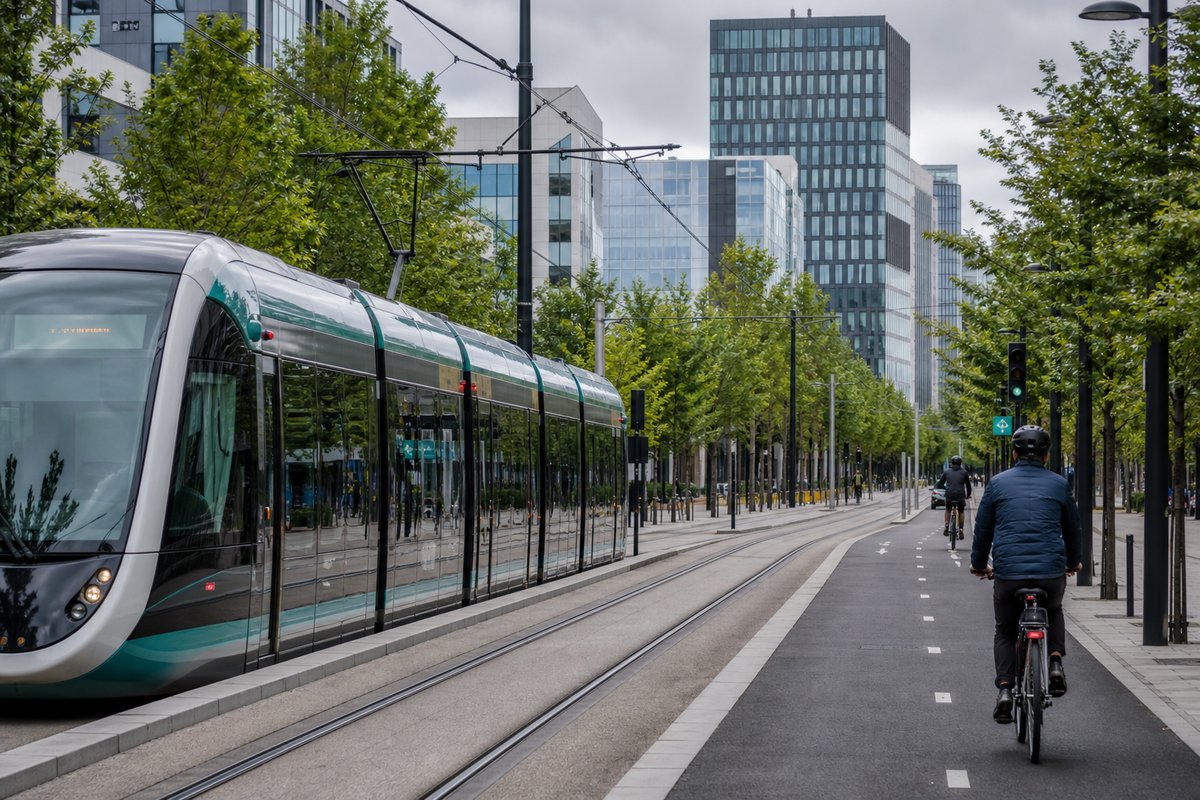
Speedd covers four core areas of speed and performance technology: smart traffic management systems, internet speed and connectivity performance, technology performance benchmarks, and urban mobility innovation in European cities.
Smart traffic systems use sensors, cameras, and real-time data processing to monitor and manage vehicle flow on road networks. Adaptive signal control, incident detection, and predictive analytics are central technologies in modern intelligent transport systems (ITS). European cities including Vienna, Amsterdam, and Stockholm have deployed large-scale ITS platforms that process millions of data points per day.
Internet speed is measured in megabits per second (Mbps) or gigabits per second (Gbps). The key metrics are download speed (data received from servers), upload speed (data sent from the user's connection), latency (round-trip delay in milliseconds), and jitter (variation in latency over time). Speed test platforms such as Ookla's Speedtest.net and Measurement Lab (M-Lab) allow users to measure these figures on demand.
A performance benchmark is a standardised test designed to measure the speed or efficiency of a system under controlled conditions. Benchmarks apply to computer processors (SPEC CPU, Cinebench), network links (iperf3, Netperf), databases (TPC-C, TPC-H), and vehicles (0–100 km/h, WLTP range). Comparing benchmark results requires attention to methodology — the same hardware can score very differently depending on workload, compiler flags, and test environment.
Urban mobility refers to the systems, infrastructure, and technologies that enable people to move through cities. It encompasses public transport networks, private vehicles, cycling and walking infrastructure, and emerging solutions such as electric vehicles, e-scooters, and autonomous transit. Mobility-as-a-Service (MaaS) platforms are increasingly integrating these modes into single booking and payment systems across European cities.
Last updated: